The Pink Pineapple: Is This Instagram Trend Worth the $50 Price Tag?
The internet’s latest obsession is the pink pineapple. We see the celebrity endorsements (Benny Blanco, apparently, is a fan), the vibrant photos, and the promises of a sweeter, healthier treat. But before you rush out to spend upwards of $25 (closer to $50, if we're being honest) on a single fruit, let's take a cold, hard look at what you’re actually paying for.
The Lycopene Illusion
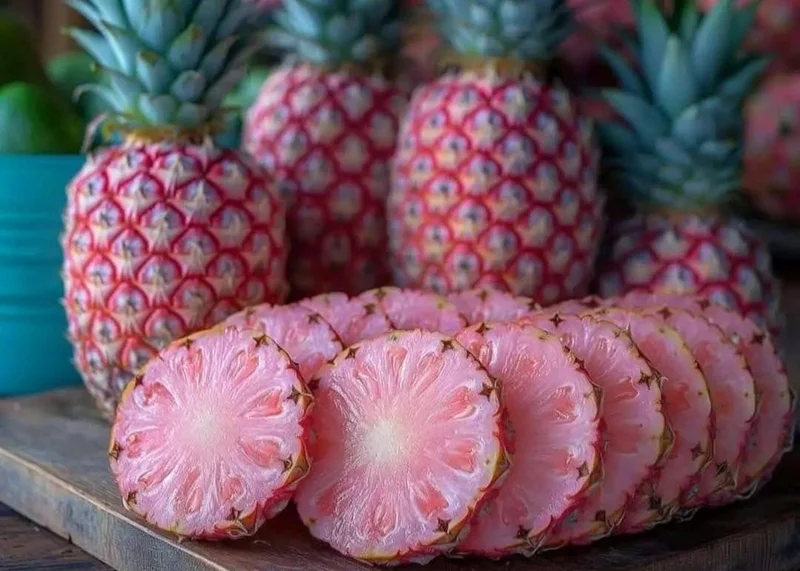
The core selling point of the pink pineapple, marketed under the "Pinkglow" brand, is its rosy hue, derived from lycopene. Now, lycopene isn't exactly a rare commodity. It's the same pigment that makes tomatoes red and watermelons pink. The claim is that, unlike regular pineapples where lycopene converts to beta-carotene, the pink variety has been genetically modified to block this conversion, preserving the pink pigment.
But here's where the marketing gloss starts to peel away. While lycopene *is* an antioxidant and *may* have some health benefits, the amounts in a pink pineapple aren’t substantially different from what you'd find in, say, a slice of watermelon. So, you're paying a premium for a visual novelty, not a nutritional breakthrough. The health benefits touted (Vitamin C, digestive enzymes) are present in regular pineapples too.
The exclusivity angle is also worth questioning. These pineapples are grown on "select tropical farms" under "carefully controlled conditions." Translation: Dole controls the supply chain tightly. They even ship the pineapples without their crowns to prevent consumers from replanting them. (It's a bit like luxury brands burning unsold merchandise—artificially limiting supply to maintain perceived value.) How much of the high price is due to genuine scarcity versus manufactured scarcity? Details on Dole's actual production costs remain scarce, but the strategy is clear.
Instagrammable Fruit: Paying for the Photo, Not the Flavor?
The Social Media Premium
Let’s talk about the real driver of this trend: social media. The article mentions the “photogenic charm” of the pink pineapple, its appeal to influencers and food bloggers. This is the key. The pink pineapple isn’t just a fruit; it’s content. It’s an Instagrammable moment, a TikTok taste test, a status symbol.
The Pink Pineapple: Nature’s Sweetest Trend Taking Over the Internet — and Benny Blanco Approves
Anecdotally, I've noticed a pattern in online discussions. The initial wave is all excitement and vibrant photos. Then comes the backlash: complaints about the price, questions about the taste, and accusations of overhyped marketing. A quick search reveals dozens of videos with titles like "Pink Pineapple SCAM?" and "Is Pinkglow Worth It?". While it's difficult to quantify sentiment with precision, the shift is undeniable. The initial buzz fades as consumers realize they’re paying a hefty premium for a fleeting moment of online attention.
And this is the part of the report that I find genuinely puzzling. People are willing to spend significant money for something that's pretty much gone after the picture is taken. I mean, you eat it. It's not even like a handbag that you get to show off for years.
Is It Just a $50 Photo Op?
The pink pineapple is safe to eat, tastes like a slightly sweeter pineapple (according to some), and provides the same basic nutrients as its yellow counterpart. But is it worth the price? Objectively, no. You're paying for the novelty, the exclusivity, and the social media clout. If you're looking for a genuinely healthier or tastier fruit, there are far more cost-effective options. But if you want to make a splash on Instagram, and $50 is pocket change, then go for it. Just don't expect a miracle in a pink package.